
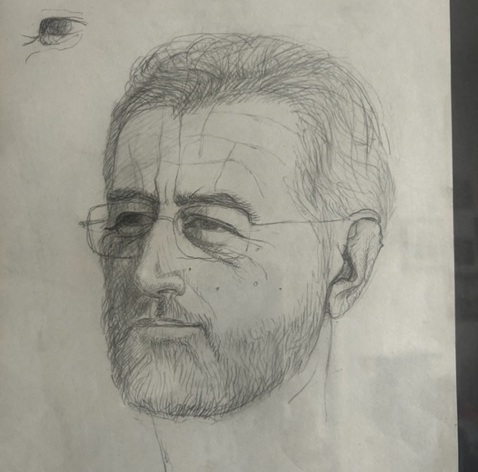
Sînt societăţile moderne predispuse la istorisirea unui trecut fictiv? Sau, graţie izvoarelor, metodelor şi curiozităţii umane istoria devine cunoaştere, ficţionalul fiind marginalizat ori exclus din științele umaniste și social-politice? Sunt multe de spus, doar cercetarea onestă și bazată pe metodă are pretenția de a se apropia de cunoaștere.
Pot interveni neașteptate obstacole generate de puterea politică, de autoritățile administrative, comunitar-naționale, economice. Sunt cazuri în care regimurile autoritariste și cele totalitare falsifică trecutul cu bună știință, ordonându-l potrivit propriilor lor ideologii. Decidenții lor politici ajung să interzică ori să se substituie adevărului, impunând chiar și tematica cercetării.
Istoricul poartă amprenta familiei, a mediilor sociale și intelectuale în care s-a format, orientarea sa fiind posibil de înțeles în funcție de evenimentele trăite, precum și în funcție de legislația, administrația și politicile statale din cursul vieții sale. Acestea exercită o influență asupra discursului său. E adevărat că cercetarea îi pretinde lecturi, selecția și critica izvoarelor, descrierea corectă a temelor, raționamente întemeiate pe argumente, etc. În afara acestora, există însă experiențele biografice, singulare, irepetabile și nenarabile. Unele dintre ele sînt legate de emoții, de suferință, de intuiții, de sentimente care își lasă amprenta asupra sufletului și dau naștere la perspective generative, vizionare. Altele, au o legătură invizibilă cu memoria, explicabilă fiind prin sensibilitatea și reacția față de mirosuri. Toate acestea nu sunt ficțiuni. Cu cît sînt mai puternice sensibilitățile, cu atât rememorarea lor devine singulară și permanentă. Nu numai izvoarele documentare, ci și memoria joacă un rol esențial, cele dintâi neputând înlocui mărturiile și experiențele individuale.
Memoria nu poate fi reprodusă de mass-media și nici de o cultură a memoriei subordonată instituțiilor oficiale. Istoricul Reinhart Koselleck obișnuia să însoțească analizele și interpretările raționale cu informații și idei rezultate din conștientizarea tragediilor războiului, din intensitatea emoțiilor și din intuiții, din referințe la locul și universul uman în care s-a născut. Relația dintre experiențele asimilate, memorie și istoriografie explică aplecarea sa constantă spre înnoirea limbajelor, iar dialogul și controversele evidențiază aspirația rescrierii continue a istoriei, respectiv tentația reformării gândirii politice. Memoria individuală devine o „putere subversivă”, prin ea Koselleck găsind că „e posibilă înțelegerea și recunoașterea istoriilor unui stat și a unei națiuni” (Victor Neumann, „Koselleck’s Theory of History and Its Subversive Potential” in Geschichtstheorie am Werk. Retrieved September 10, 2024 from https://doi.org/10.58079/pczc).
Istoricul și-a creionat propriul său drum în ultima sută de ani, s-a desprins de „născociri” sau „simulări” și a tins să facă accesibile realitățile lumii trecute. Prin informații și înțelesul lor, printr-o onestă și diversificată cercetare, el a contribuit la formarea setului de valori al democrației. Nu avem o singură istorie a societății, a națiunii, a lumii, ci mai multe istorii. De unde și rolul multiperspectivității în examinarea faptelor petrecute, scopul fiind acela de a stimula gândirea, de a înțelege libertățile persoanei și comunităților din care aceasta face parte (vezi Victor Neumann, “Deosebiri și similitudini între conceptele ficțiune și istorie” cf. https://tribuna-magazine.com/deosebiri-si-similitudini…/)
MEMORY CANNOT BE REPRODUCED BY THE MASS MEDIA NOR BY A CULTURE OF MEMORY SUBORDINATED TO OFFICIAL INSTITUTIONS
Are modern societies inclined to narrate a fictitious past? Or, thanks to sources, methods, and human curiosity, does history become knowledge, with fiction marginalized or excluded from the humanities and the social-political sciences? Much can be said; only honest, method-based research claims to approach knowledge. Unexpected obstacles may arise, generated by political power, administrative authorities, community-national or economic interests. There are cases in which authoritarian and totalitarian regimes knowingly falsify the past, arranging it according to their own ideologies. Their political decision-makers may go so far as to forbid or substitute the truth, even imposing research themes.
The historian bears the imprint of the family and of the social and intellectual environments in which his was formed; his orientation can be understood in relation to the events he have lived through, as well as the legislation, administration, and state policies throughout his lifetime. All these exert an influence on his discourse. It is true that research demands extensive reading, the selection and criticism of sources, the accurate description of topics, reasoning grounded in arguments, and so on. Beyond these, however, there are singular biographical experiences—unique, irrepeatable, and impossible to narrate fully. Some are connected to emotions, suffering, intuitions, and feelings that leave their mark on the soul and give rise to generative, visionary perspectives. Others have an invisible link to memory, explainable through sensitivity and reactions to smells. None of these are fictions. The stronger the sensitivities, the more singular and enduring their recollection becomes. Not only documentary sources but also memory plays an essential role, the former being unable to replace individual testimonies and experiences.
Memory cannot be reproduced by the mass media, nor by a culture of memory subordinated to official institutions. The historian Reinhart Koselleck used to accompany rational analyses and interpretations with information and ideas arising from an awareness of the tragedies of war, from the intensity of emotions and intuitions, and from references to the place and human universe into which he was born. The relationship between assimilated experiences, memory, and historiography explains his constant inclination toward renewing languages, while dialogue and controversies highlight the aspiration for the continual rewriting of history and, respectively, the temptation to reform political thinking. Individual memory becomes a “subversive power”; through it, Koselleck found that “the understanding and recognition of the histories of a state and a nation are possible” (Victor Neumann, “Koselleck’s Theory of History and Its Subversive Potential” in Geschichtstheorie am Werk, https://gtw.hypotheses.org/17394).
Over the last hundred years, the historian has charted their own path, distancing themselves from “fabrications” or “simulations” and striving to make the realities of the past accessible. Through information and its meanings, through honest and diversified research, they have contributed to the formation of democracy’s set of values. We do not have a single history of society, the nation, or the world, but multiple histories. Hence the role of multiperspectivity in examining past events, the aim being to stimulate thinking and to understand the freedoms of the individual and the communities to which they belong (see https://tribuna-magazine.com/deosebiri-si-similitudini… ).
ilutrație: Portret Victor Neumann de Viorel Toma/Portrait of Victor Neumann by Viorel Toma.


